November 6, 2026
The Role of Ambience in a Successful Gin Bar
By @gregorymhds752
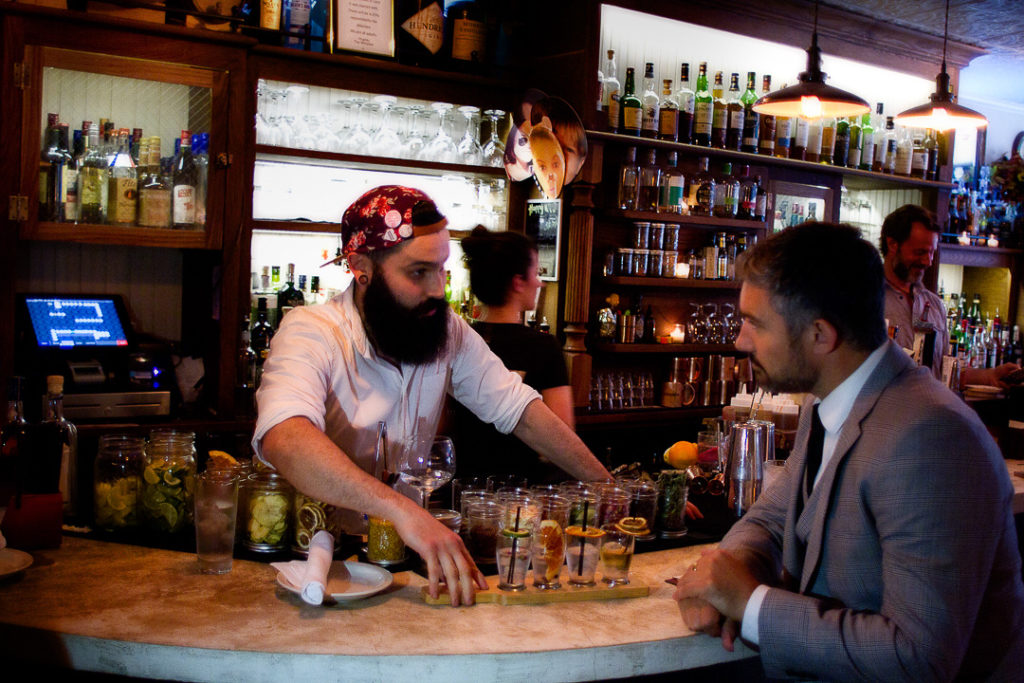
A good gin bar is never built on the back bar alone. The bottle selection matters, of course. So do the tonic options, the ice quality, the garnish program, and the bartender’s hand with dilution. But none of that explains why one room fills up night after night while another, stocked just as well, struggles to become more than a place people try once.
The difference is often ambience, a word that gets used loosely and underestimated regularly. In practice, ambience is not a decorative extra. It is the atmosphere that shapes how guests feel, how long they stay, what they order, how much they spend, and whether they return. In a category like gin, where the spirit itself carries a wide emotional range, from bright and botanical to dry, savory, citrus-led, floral, resinous, and experimental, ambience becomes even more important. It gives the product a setting that helps people understand it.
A successful gin bar does not merely serve drinks. It stages an experience around them.
Why gin needs a setting
Gin is unusually expressive. A London dry built around juniper, citrus peel, and coriander lands very differently from a modern gin leaning into local herbs, coastal botanicals, or fruit distillates. Add tonic choice, carbonation level, garnish, glass shape, serving temperature, and the story behind the bottle, and the same spirit category can speak in several distinct voices.
That flexibility is a strength, but it creates a challenge for operators. Guests often understand whiskey bars or wine bars more intuitively. They expect dark wood, slower pacing, or cellar language in one case, and tasting notes, pairings, and vineyard geography in the other. A gin bar can be more slippery in the public imagination. Is it elegant and restrained, lively and contemporary, neighborhood casual, or a place for serious tasting?
Ambience answers that question before a menu ever does.
When a guest walks in, the room tells them what kind of gin experience they are about to have. If the space is crisp, bright, and detail-oriented, they are primed for precision and perhaps a higher spend. If it feels warm, sociable, and slightly playful, they become more open to long drinks, shared snacks, and a second round. If the atmosphere feels confused, too formal for the service style, too loud for the product, too generic for the price point, then the bar asks the guest to do too much interpretive work. Most people will not do it. They will default to a safe order and leave earlier than planned.
That is one of the least discussed commercial functions of ambience. It reduces friction.
The first thirty seconds matter more than operators like to admit
People do not evaluate bars in a linear, rational sequence. They do not wait to inspect the spirit list, compare prices, and then decide how they feel. Their nervous system makes judgments almost immediately, often from the doorway or even from the pavement outside.
The entrance, the host greeting, the first look at the bar top, the scent in the room, the music level, and the lighting over occupied tables all combine into an instant impression. In a gin bar, those opening cues should do two things well. They should establish confidence, and they should promise pleasure.
Confidence means the room feels intentional. It does not have to be expensive, but it must feel considered. Guests notice when glassware catches the light properly, when the shelf display feels curated rather than crowded, and when the menu design matches the tone of the room. Pleasure means the bar should make people want to settle in. This is where many otherwise capable venues miss the mark. They make the room look impressive from across the street but forget to make it comfortable for ninety minutes.
One operator I worked with had invested heavily in rare gins and a beautiful marble-topped bar, yet weekday trading remained inconsistent. The issue was not product knowledge. It was the room. Seats were stylish but upright to the point of discomfort. Lighting looked dramatic in photographs but made menus hard to read. The soundtrack drifted between genres and tempos because no one owned it. We changed almost nothing structural. We lowered the bar lighting slightly, raised the table lighting, adjusted chair cushions, rebuilt the playlist into a narrower lane, and revised service pacing so water and menus arrived within a minute. Average dwell time increased, and drink-per-head followed. Not because the gin improved, but because the room stopped resisting the guest.
Lighting is not decoration, it is behavioral design
If there is one element that most directly influences mood in a gin bar, it is light. Good lighting can make a simple gin and tonic feel polished. Poor lighting can flatten even the most beautiful cocktail.
Gin drinks benefit from visual clarity. They often arrive bright, chilled, and aromatic, with clean glassware and fresh garnish. Guests should be able to see the lift of carbonation, the cut of citrus, the sheen of the ice, or the faint tint of an infused spirit. Light should flatter the drink without exposing every operational flaw in the room.
The ideal lighting level depends on concept. A high-volume urban gin bar can carry more energy and contrast than an intimate lounge focused on premium serves. Still, the fundamentals remain fairly consistent. Faces should be visible. Menus should be readable without phone torches. The back bar should feel inviting, not museum-like. No one should feel as though they are sitting under interrogation lamps, and no one should feel as though they have been hidden in a cave.
There is also a practical side. Guests tend to order differently based on lighting conditions. In rooms that are too bright, people often drink faster and leave sooner. In rooms that are too dark, they become less adventurous because the menu is harder to navigate and the service exchange becomes more transactional. The sweet spot supports relaxed attention. People can scan a menu, notice another table’s serve, ask a question, and feel slightly indulgent without becoming self-conscious.
For a gin bar specifically, accent lighting around the back bar can work hard if used sparingly. Bottles with distinctive shapes, apothecary cues, or regional labels carry visual value, but overlit shelving quickly slips into retail display rather than hospitality. Guests should feel invited into the category, not confronted by it.
Sound shapes pace, intimacy, and spend
Music is often handled as a background detail, but in service terms it is a control system. It affects how quickly people speak, how easily they connect, and how long they remain comfortable in the room. In a gin bar, that matters because the category often sits between aperitif culture and cocktail culture. The room may need to support a quick early-evening highball, a date-night Martini, and a weekend group ordering rounds of signature serves.
That range requires discipline. A soundtrack that jumps unpredictably can unsettle the room even if guests do not consciously register why. Consistency matters more than novelty. Genre, tempo, and volume should align with daypart and concept. If a gin bar wants to trade on refinement, the music cannot fight every conversation. If it wants energy, the volume should still allow staff to guide guests through unfamiliar serves without shouting.
Acoustics matter just as much as playlist curation. Hard surfaces, bare walls, and exposed ceilings can look modern, but they often punish speech. Once a room becomes acoustically aggressive, guests compensate by talking louder, which drives the noise floor higher. Then the staff must over-project, which changes the emotional tone of service. Suddenly the bar feels less elegant, less attentive, and more tiring.
Soft furnishings, curtains, booths, textured surfaces, and thoughtful spacing between tables can improve the soundscape dramatically without making the room feel heavy. A gin bar that encourages browsing, conversation, and discovery should sound inviting at half-capacity and remain manageable when full. That takes planning. It does not happen by accident.
Scent is subtle, and when it is wrong everyone notices
Gin is one of the most aromatic spirits behind the bar. Juniper, citrus oils, herbs, florals, roots, pepper, and spice all rise from the glass. Because of that, ambient smell in a gin bar deserves unusual care.
The ideal environment smells clean, lightly alive, and free of competing odors. Guests should catch citrus from a freshly expressed peel, perhaps a trace of herbs from garnish prep, maybe a passing note of polished wood or cold glassware. What they should not smell is old fryer oil, bleach, damp cloths, stale drains, or an overzealous room fragrance trying to mimic a luxury hotel lobby.
This is one of those areas where investment in design cannot rescue poor operations. A beautiful gin bar with bad drainage or inconsistent cleaning routines will never feel premium. Guests might not mention it directly, but they will shorten their visit, skip food, or switch to wine or bottled beer because the aromatic promise of the category has been broken.
Open garnish stations require discipline as well. Fresh rosemary, basil, mint, and citrus look appealing, but if they dominate the room or begin to tire under warm lights, they can create muddiness rather than freshness. The bar should smell alive, not botanical for botanical’s sake.
Design should support the story, not cosplay it
There is a temptation in category-led venues to overstate the theme. In a gin bar, this often shows up as too much Victoriana, too many faux apothecary references, or a flood of greenery meant to signal “botanical.” These devices are not inherently wrong, but they age fast when used without restraint.
The strongest gin bars usually treat design as storytelling rather than costume. If the concept is rooted in classic British gin service, the room can nod to heritage through materials, proportion, and ritual instead of cliché. If the focus is contemporary craft gin, local distillers, or seasonal cocktails, the room might lean cleaner and more current, letting the drinks carry the complexity.
Authenticity here is less about historical accuracy than internal coherence. The space, menu language, staff uniforms, glassware, and service rhythm should all belong to the same world. Guests may not articulate that coherence, but they feel it. And when they feel it, they trust the bar more quickly.
A gin bar in a coastal city, for example, might build its ambience around pale woods, mineral tones, restrained maritime cues, and bright herbaceous serves. A city-center basement bar might choose intimacy instead, with lower light, deep banquettes, and a sharper Martini identity. Both can succeed. Problems arise when the visuals promise one thing and the drinks or service deliver another.
Comfort is not glamorous, but it drives revenue
Few operators launch a venue by talking excitedly about seat height, table spacing, coat hooks, or restroom lighting. Yet those details often separate bars people admire from bars they revisit.
Comfort in a gin bar works on two levels. Physical comfort keeps people in their seats. Emotional comfort makes them feel competent ordering. Both matter.
Physically, guests need somewhere to put a bag or jacket, room to place a large balloon glass without fearing a spill, and seating that suits the intended dwell time. If the concept depends on leisurely premium serves, then tiny tables and backless stools become self-defeating. If the venue relies on standing trade and quick rounds, then the circulation path must remain smooth and staff access to tables should never feel like an obstacle course.
Emotionally, gin can intimidate some guests despite its popularity. A wall of eighty bottles looks impressive to enthusiasts, but it can paralyze someone who simply wants “something fresh, not too sweet.” Ambience can soften that pressure. Warm service, legible menus, and a room that feels welcoming rather than performative all increase the odds that a guest will ask for guidance. Once that conversation starts, upselling becomes easier because it feels like hospitality rather than salesmanship.
Ambience must work with service, not around it
A common mistake is to treat ambience as a design issue handled before opening, while service is something separate that staff bring to life later. In reality, the two are inseparable. The room sets expectations, and service either confirms them or breaks them.
If a gin bar looks polished and calm but the staff move frantically, stack dirty glassware visibly, or leave guests waiting too long for first contact, the atmosphere collapses. If the room is informal and relaxed but the service script is stiff or over-rehearsed, guests feel the mismatch. Ambience is not what the space looks like at 5 p.m. Before service starts. It is what the space feels like at 8:15 when six tickets land at once, a new bartender joins the station, two tables ask for recommendations, and someone drops a fork.
That is why operational flow matters so much. Bartenders should be able to build signature gin serves cleanly without turning the bar top into a prep bench. Staff should not have to cross the room repeatedly for garnishes or glassware. Menus should be intuitive enough to reduce unnecessary friction, but not so sparse that they force every decision into a long verbal exchange during busy periods.
In strong venues, guests experience the result as ease. Drinks arrive in good time. Recommendations feel natural. The room seems composed. That composure is part of ambience.
The small visual details carry disproportionate weight
Because gin service is often delicate and aromatic, presentation details can amplify or undermine the whole concept. Condensation rings on a poorly wiped table, tired citrus wheels, chipped coupes, sticky menu covers, cloudy ice, and clutter around the till all punch above their weight. They are small failures that make a premium product feel ordinary.
The reverse is also true. Crisp napkins, polished stems, fresh and restrained garnish, proper spacing on the tray, and thoughtful water service all make the room feel more refined than the construction budget alone might suggest.
Guests read these signals quickly. A serious gin bar can be playful, contemporary, even noisy at times, but it cannot look careless. Care is part of the promise.
Daypart changes the atmosphere more than most concepts plan for
A successful gin bar rarely feels identical at 4 p.m. And 10 p.m., nor should it. Early evening trade often leans toward after-work decompression, aperitif drinking, and lower-volume conversation. Later service may skew toward dates, social groups, and more expressive cocktails. The ambience must evolve with that flow without feeling unstable.
Lighting shifts are useful here, as is a measured change in soundtrack energy. Staff tone can adapt too. Earlier service may feel slightly more informative, especially if guests are exploring the gin list. Later service can become more fluid and confident once the room has momentum. The challenge is maintaining identity while adjusting energy.
Bars that get this right often outperform more static competitors because they earn multiple occasions from the same customer base. A guest who trusts the bar for a quiet pre-dinner martini is more likely to return on a Saturday when friends want a livelier setting, provided the core atmosphere still feels recognizably the same.
Social media can amplify ambience, but it cannot replace it
It is true that some gin bars gain traction through photogenic serves, dramatic glassware, or highly styled interiors. Visual shareability matters. But there is a difference between an ambience that photographs well and one that sustains a business.
The first can bring people in once. The second brings them back.
A bar designed mainly for the camera often stumbles on comfort, acoustics, pricing coherence, or service speed. The room wins attention but loses habit. A truly successful gin bar uses visual appeal as a byproduct of good decisions rather than the decision-maker itself. If the light is flattering, the garnishes are fresh, and the room has character, guests will take pictures anyway. More importantly, they will stay for another round after taking them.
What owners and managers should actually pay attention to
When evaluating ambience, operators benefit from stepping away from abstract terms like vibe or mood and looking at guest behavior. The room is working if people settle quickly, browse the menu without strain, ask questions comfortably, order a second drink at healthy rates, and leave with a sense of occasion rather than fatigue.
A few indicators are especially revealing:
- How long guests take to place a first order after sitting down
- Whether first-time visitors ask for recommendations or default to the safest option
- The proportion of tables ordering a second round
- Average dwell time by daypart
- How often staff need to raise their voice across the bar or dining room
These are not perfect metrics, but they expose mismatches between concept and experience. If guests admire the room but rarely stay, ambience may be visually strong and physically weak. If the gin list is excellent but people keep ordering the same familiar brands, the room may not be helping them feel adventurous. If later-night noise kills premium sales, acoustics and music policy may need attention more than menu engineering does.
The best ambience feels inevitable
When a gin bar gets ambience right, guests rarely describe it in technical terms. They say the place feels right. They say it has character. They bring a friend back because they trust the experience. They remember the room and the drink together, not as separate achievements.
That is the point. Ambience is not an accessory to product quality. It is the medium through which product quality is perceived. In a category built on aroma, detail, ritual, and variation, that medium matters enormously.
A successful gin bar understands that every element in the room is making an argument. The light argues for intimacy or energy. The music argues for tempo. The seating argues for one drink or three. The scent argues for freshness. The service style argues for confidence. Design argues for identity. When those arguments align, the guest Gin Bar stops analyzing and starts enjoying.
That is when a gin bar becomes more than a place with good bottles on the shelf. It becomes a place people choose with intention, recommend with conviction, and remember with pleasure.
The Winslow
243 E 14th St
New York, NY 10003, United States
Phone: +1 212-777-7717
FAQ About Gin Bar
How to do a gin tasting?
Start with a small pour and gently smell the gin before taking a small sip. Notice its juniper, citrus, floral or spice notes, then compare how the flavor changes with a little water or tonic. At a gin bar, ask the bartender to explain the selection and botanical pairings.
How to make the best tasting gin and tonic?
Use chilled gin, fresh tonic and plenty of ice. A common starting ratio is one part gin to two parts tonic, adjusted to taste. Choose a garnish that complements the gin's botanicals and stir gently to preserve the bubbles.
What is the smoothest tasting gin?
There is no single smoothest gin for everyone. Perceived smoothness depends on the botanical recipe, alcohol strength, serving temperature and mixer. Describe whether you prefer citrus, floral, herbal or juniper-forward flavors so a bartender can suggest a suitable style.
❧